
On the green slopes of São Miguel, cooled by Atlantic mists and warmed by the Gulf Stream, lies the oldest tea plantation in Europe. It is the source of everything we are.
Tea came to the Azores in the nineteenth century, when the first Camellia sinensis plants were carried from China to the volcanic soils of São Miguel. Where oranges had failed, tea flourished. What grew here would become the only tea cultivated, harvested and produced in Europe without interruption for over a century.
To us, the plantation is not a source but a home. Its harvest is our harvest, its standard our standard. Vyda exists because this single, extraordinary hillside exists, and we tend its legacy as our own.
The first Camellia sinensis plants reach São Miguel from China, finding in the island's volcanic soil the conditions they had lost elsewhere.
Two Chinese tea specialists, Lau-a-Pan and his interpreter Lau-a-Teng, are brought from Macau to teach the island the fundamentals of the craft.
Founded by Ermelinda Gago da Câmara and her family, the plantation begins a production that has never once stopped since.
As emigration and reform closed every other tea factory in Europe, this one alone endured, the oldest and only survivor on the continent.
Thirty-two hectares of terraced fields yield the leaf we keep as Vyda, cultivated without a single pesticide, herbicide or preservative.
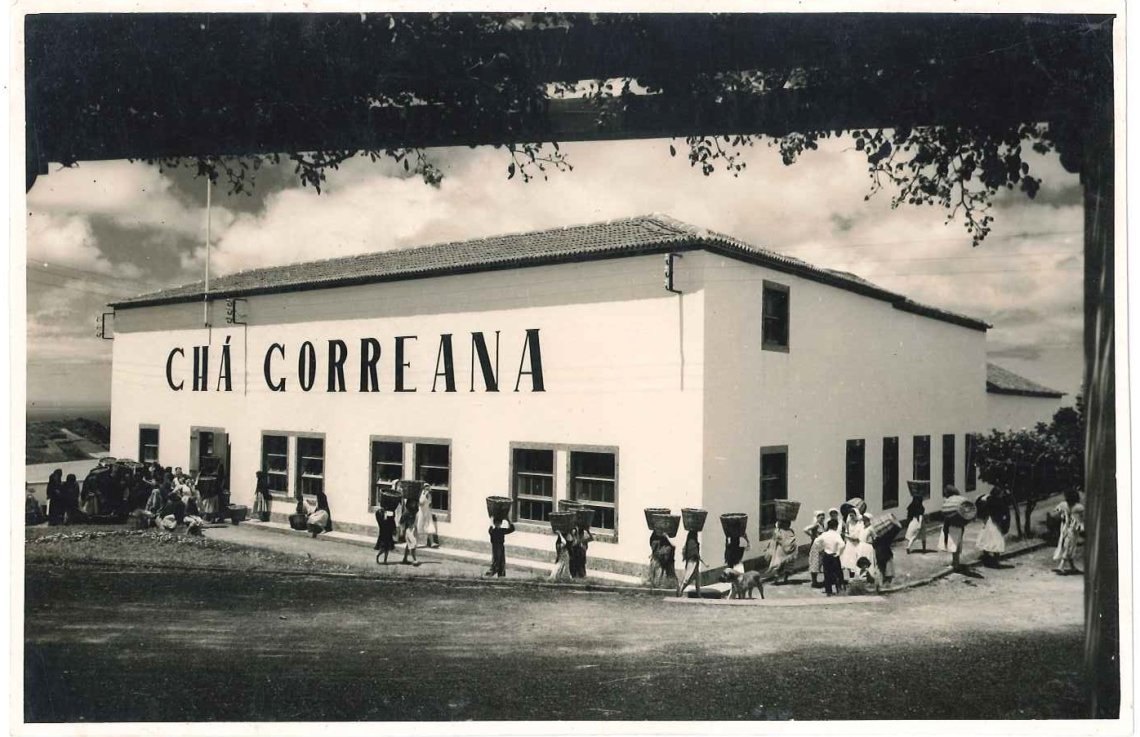
Few names in tea can claim an unbroken line to the nineteenth century. This one can. The same hillside, the same patient method, carried across more than a hundred and forty harvests.
It is a continuity you can taste, and a heritage we carry forward under the Vyda name.
Isolation in the mid-Atlantic means the plants grow free of the pests that trouble the mainland, so no chemicals are ever needed. Volcanic earth, pure island water and a constant veil of mist do the rest.
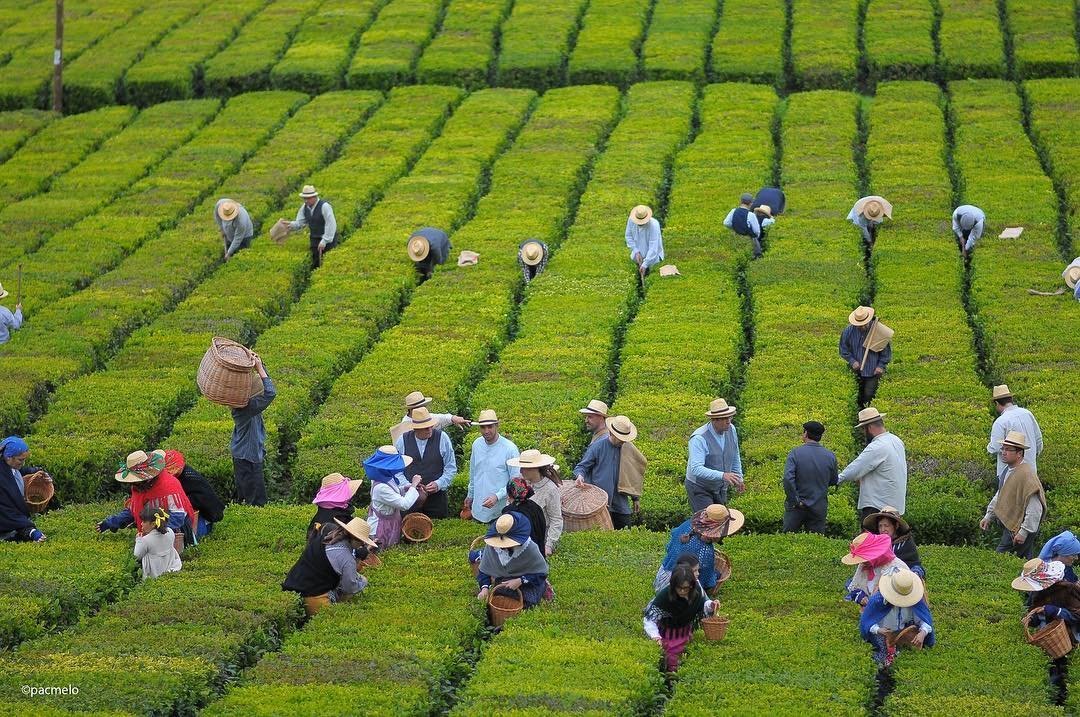
The finest leaves are still gathered by hand, harvest after harvest, exactly as they always have been.

A limited quantity of each first harvest is released to private clients and partners.